
As global workers begin talking more about neurodiversity and the impact it can have on a person, family, work, life, and marriage, the conversation is also growing in organizations and in member care.
Leadership teams are starting to ask questions about how they can help and how they can respond in healthy ways. Member care personnel are asking what resources are needed, what support can be in place, and how they can bring the information they are learning about neurodiversity into the interview and onboarding processes.
This discussion around neurodiversity, along with the building of resources for global workers on this topic, is exciting but it also brings new questions. These are questions that are valid and necessary for the health of teams and the longevity of global workers.
During Neurodiversity Week, our team at Global Trellis started this discussion by diving into the following topics:
Day 1: Neurodiversity—What is it?
Day 2 Neurodiversity in TCKs/Families
Day 3: Neurodiversity in Marriage/Singles
Day 4: Neurodiversity in Teams and Global work
Day 5: Neurodiversity and Member Care
The week ends with a LIVE Q&A {recording still available with purchase of the week} that covers a variety of important thoughts and questions from those going through the initial neurodiversity week.
From that week, Global Trellis recorded a podcast on embracing neurodiversity for cross-cultural workers.
In effort to continue the conversation, we wanted to give more insight into the kinds of things we’re hearing from member care and organizational leadership.
There are incredibly complicated layers to this discussion and to the questions being asked.
Quite honestly, there are no simple answers or easy fixes or perfect processes to fit all situations or scenarios.
The neurodiverse spectrum is vast including everything from sensory issues to executive function deficits to incredible knowledge in special interests and needed outside the box thinking.
The questions involve families, singles, children, schooling, stress, and behavioral challenges. The answers differ depending on each unique circumstance.
Yet, even with the complicated layers around this topic, there are some guiding principles for each question that might help lay a foundation in the area of neurodiversity of global workers on the field.
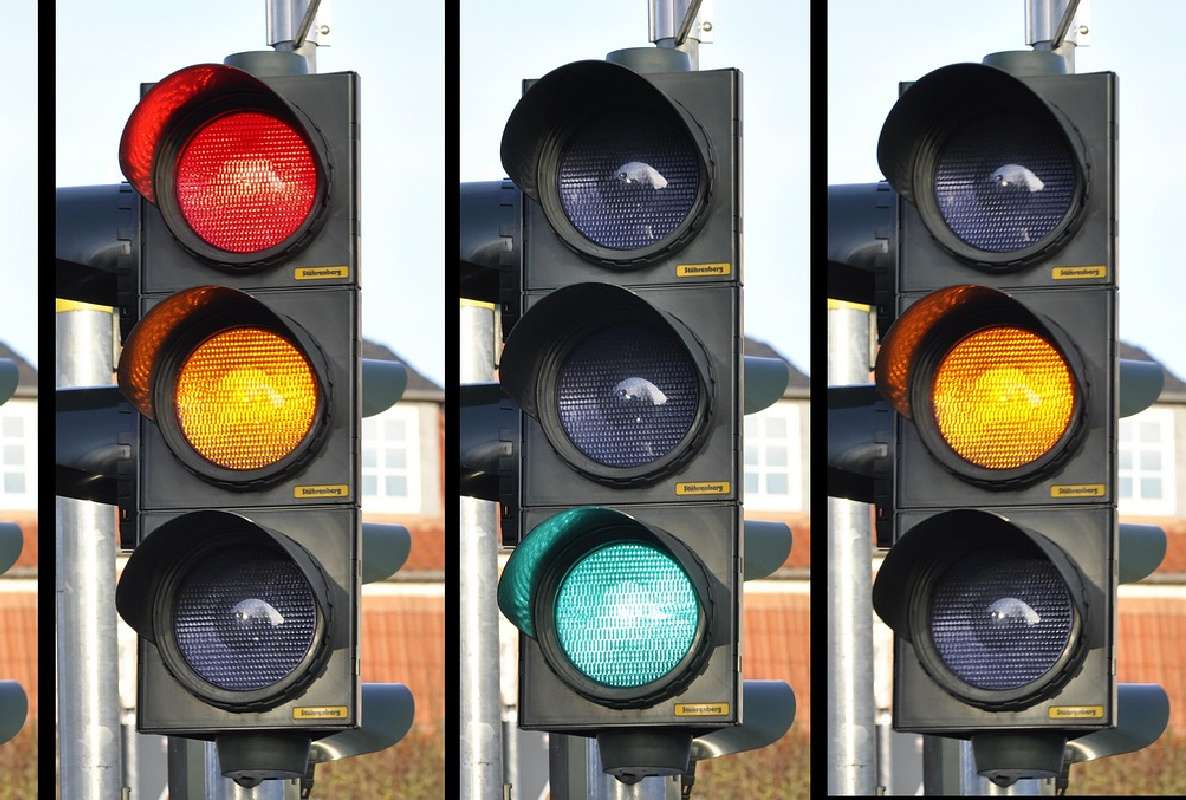
These guiding principles can be broken up within each question to give a green, yellow, or red light approach to how leadership or member care might respond to these individual situations.
The breakdown will guide the kinds of questions you might ask, the things you might need to consider and the ways you might be able to help or support.
Green is a good indication that neurodiversity is understood, supported and the tools of support are in place to help and guide where needed.
Yellow indicates that there might be areas of concern but with the right skill building and support, neurodiversity won’t be a major issue.
Red indicates that it might not be the right time or place and neurodiversity could greatly impact the health or work of an individual or family.
There can be a great collision when neurodiversity collides with ministry, especially overseas ministry. Asking these questions can be deeply beneficial for workers and for organizations.
Neurodiversity Questions: Guiding Principles to Consider
1} Pre-field Screening –
This is a very important time for both the new global worker and for the member care team who will be caring for them. Pre-field screening is something that takes place in most organizations. There are a battery of tests and/or questionnaires that cover finances, mental health issues, marriage challenges and so on. There are tests available for strength-finders and personality profiles. It wouldn’t be difficult to add some ADHD or autism or executive function screening into the process as a way to help navigate this discussion.
Green
The worker is willing to investigate this as a potential factor along with the other pre-field screening and interviewing. If indicated, there is a willingness to do further research into how this might be impacting them and receive support as needed.
Yellow
The worker has a casual attitude about neurodiversity and may not fully embrace the impact it might be having but is willing to look at it.
Red
The worker refuses to acknowledge neurodiversity in any way and doesn’t want to receive help or support. They might not even believe it is a real thing or want to have a label or diagnosis.
2} On-field Diagnosis or Impact –
Quite often, the realization that neurodiversity is impacting a worker or a family happens while they are already on the field. They might feel the full weight of ADHD or sensory issues once they land in a new country. They might have a child that is diagnosed after they’re already in a country. They might just be learning about the level of support needed for occupational therapy or coaching or special needs at school.
Green
The worker is personally advocating and researching things that might help them or their family. They are actively part of the process to get support. They are asking about realistic accommodations that might be helpful to continue the work overseas while also staying healthy and learning new skills.
Yellow
The worker has a casual attitude about the diagnosis and doesn’t think it’s going to be that big of a deal but is willing to get support if needed.
Red
The worker refuses to see that any support is needed, might be withholding support from children or themselves in deference to the country they are in or the work they are doing.
3} Marriage/Family –
Neurodiversity can have an intense impact on marriage and family. Undiagnosed and unsupported, there can be unhealthy dynamics, unbalanced roles or responsibilities, and even developing mental health concerns. When you add in culture shock, language learning, lots of admin, communication, weather differences, and new foods, you have a lot of possible dysregulation and stress on a marriage and family. It is vital that member care have an understanding of the impact of neurodiversity for global workers and their families.
Green
The worker is willing to hear feedback from a spouse or team leader or member care representative. They are actively participating in getting help, finding support, realizing the impact they might have had on close relationships, and learning new skills to navigate life overseas in healthier ways.
Yellow
The worker doesn’t see the problem or the impact but is willing to receive feedback and get more information.
Red
The worker refuses to acknowledge the impact of neurodiversity on their life, work, marriage, or family. They don’t see how or why help might be needed. They’re doing fine just as they are.
4} Teams and Global Work –
Quite often, neurodivergence isn’t recognized until a worker begins going through culture shock or the stress of overseas life takes a noticeable toll. It might be an issue with executive function (check out this part 1 and part 2 on this topic) or sensory challenges like noise, dust, or food. It could be words without action, lack of motivation, procrastination, or misunderstandings in communication or situations. It could be a deep dive into language but little desire to use it with national people. It could be fantastic admin or tech skills but difficult people skills or relational depth. What do you do when you see these things? How do you bring this up or suggest help? It might not be with words about neurodiversity but more specifically what might be needed for areas of development and growth.
Green
The worker isn’t defensive or upset when asked about possible skill building. They don’t get defensive or shift blame on anyone else. They are willing to receive feedback, work on specific issues, and show areas of personal growth. This growth can be seen by those closest to the worker and there is action put to words.
Yellow
The worker gets defensive and upset but slowly understands that personal development and growth is needed and is willing to get help and support. They are open to feedback and although it might be slow, willing to make changes towards healthier, stronger skills.
Red
The worker gets defensive and doesn’t want any help or changes made. They seem against skill building and don’t see any reason for help in personal growth or development. They don’t take personal responsibility and seem to blame the culture, country, another worker, or situation for their weaknesses or growth areas.
This format can continue with all kinds of topics or questions or situations. Regardless of neurodiversity, these are guiding principles that are necessary and helpful when assessing character, potential, and placement.
Green—Is there openness, willingness, understanding, curiosity, awareness, participation, and humility for growth, learning, support and help?
Yellow—If not yet, is there potential for growth and a willingness to explore areas and ideas for support and help? Is there teachability and possibility?
Red—Do you see rigidness, stubbornness, a sense of rightness, or other signs that growth and change might be challenging? Do you sense defensiveness or lack of awareness?
These are ways that member care, leadership, organizations, and teams can determine the readiness and potential for this merge between neurodiversity and work on the field.
Remember, this is complicated.
Do you send a family to the field with a child on the autism spectrum? Do you see an imbalance of roles in a marriage? Do you see neurodivergence but aren’t sure what to do? Do you bring a family home or request they change countries because of ADHD challenges?
For workers who are choosing an organization or wondering if they should ask for help from member care or a team leader, you can apply the same method. From experience, I know that you have every right to be as assertive and engaged in the discovery and screening process.
Green
The organization or leader is willing to receive feedback from workers. They are actively gathering new information, gaining education about complicated topics, willing to listen and intentionally allowing workers to get support for needed travel, time, medical, and mental health. They have staff who are trauma informed, mental health aware, and proponents of wholeness in their workers. They advocate for health in every area.
Yellow
The organization understands complications and is willing to learn more. They are supportive and listen to concerns but seem unsure about what can be done or how they can help. There might be lots of red tape before help is given.
Red
The organization is unaware of these kinds of concerns. They use spiritual positivity and have a negative view of diagnosis, mental health, or labels of any kind. They encourage views that make workers feel guilty for speaking up or needing help. They have a superhero mentality that causes shame for those who have to ask for special needs or time away.
You can also do this for the country you will be living in to assess noise, weather, schooling options, accessibility to care, available therapies or programs, housing needs, and so on depending on your individual circumstance. You can do this for decisions about language learning or cultural integration.
Green. Yellow. Red.
How can you use these guiding principles as you navigate the discussion of neurodiversity and global work?


0 Comments